

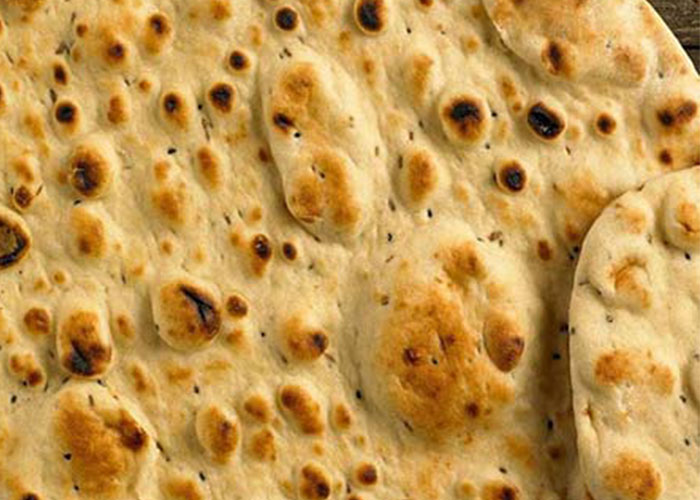
THE WORLD OF PERSIAN BREAD
Bread holds a special place in Iranian culture. It is not just a daily staple but a symbol of hospitality, simplicity, and craftsmanship passed down through hundreds of generations. In Persian homes, the presence of fresh bread on the table marks the beginning of every meal. It accompanies breakfast spreads of cheese and herbs, lunch dishes heavy with rice and stews, and even evening snacks shared among family and friends.
Iranian bread is known for its incredible variety. Each region has developed its own style based on local traditions, climate, and historical influence. Although simple in ingredients, Persian bread reflects skill, patience, and a deep respect for the art of baking. Many types are cooked in traditional stone ovens or clay tandoors, creating textures and aromas that cannot be replicated by modern machinery.
SANGAK
Sangak is one of Iran’s oldest and most iconic breads. It is made from whole wheat dough and baked on a bed of hot stones, which gives it its name. The bread is large, uneven in shape, and develops a beautiful speckled texture where the dough meets the stones. Sangak is known for its nutty flavor and chewy texture. In the past, it was often considered the bread of soldiers, because portable stone ovens allowed it to be baked during military campaigns. Today, it is enjoyed with cheese, fresh herbs, kebabs, and hearty stews.
LAVASH
Lavash is thin, flexible, and incredibly versatile. It is the most common bread across Iran and the Caucasus, used in everything from breakfast wraps to kebab rolls. It can be round, oval, or rectangular depending on the region and bakery. Lavash has a mild flavor and a soft, flaky bite that pairs well with almost any dish. In rural areas, families often dry extra lavash to use later as a crisp bread. The image shows a typical lavash served with feta cheese, walnuts, herbs, and radishes, a classic Persian combination known as Sabzi Khordan.
BARBARI
Barbari is thick, golden, and easily recognizable by the ridges brushed across its surface. These ridges are created by the baker’s fingers or a special tool before baking. Barbari is glazed with a mixture called roomal, which gives it a shiny and slightly crisp finish. This bread is especially popular for breakfast, often served warm with butter, honey, or Persian feta. Its soft interior and crunchy sesame-topped crust make it one of the most beloved breads in Iran.
TAFTUN
Taftun is thin, round and slightly thicker than lavash. It has a soft texture and a gentle chewiness that makes it ideal for wrapping kebabs or scooping up stews. Traditionally, taftun is baked inside a clay tandoor oven, where the high heat produces beautiful charred spots on the surface. Historically, this bread was common in nomadic Persian tribes because it required simple ingredients and cooked quickly. Its long-lasting freshness made it practical for travel, while its light texture remains popular in modern Iranian households.
THE ROLE OF BREAD IN IRANIAN CULTURE
Bread is deeply respected in Persian life. Throughout history, Iranians considered it a blessing of the earth and treated it with great care. Wasting bread was culturally discouraged, and families used every leftover piece in creative ways.
In traditional dining, bread is more than a side dish. It serves as a utensil, a scoop, a wrap, and even a plate when paired with cheese, herbs, nuts, and vegetables. A simple spread of fresh herbs, walnuts, radishes, and bread is often preferred over more complicated meals, showing how central and beloved bread is to Iranian hospitality.
From the street bakeries of Tehran to the rural ovens of Iranian villages, the sound of dough hitting hot clay or stones has been part of Persian daily life for centuries.